
Lessons Learned from the 2025 Season
Which strategies soared, and which sank

I wrote a lot of fantasy football content last year, though somewhat ironically, I took most of the season proper off. Granted, there’s not a lot of dynasty content (my main focus) to produce in-season, but I still did some redraft analysis before the season started. Thus, there’s still ample room to break down whether these takes of mine held water.
The goal of all this is, hopefully, to provide fantasy managers with useful heuristics heading into the 2026 season. I do, of course, caution readers to take all this with a massive grain of salt; the ground beneath fantasy analysis is ever-shifting, and what’s true today may look incredibly wrong tomorrow. Still, some of my preseason deductions—which were based on years’ worth of data—look incredibly sharp, and are worth drilling into.
Getting on base
If you’re reading this, you’re probably aware of the 2011 film Moneyball, or at least know a couple memes from it. You’re likely familiar, too, with the scene where Brad Pitt and Jonah Hill override the scouts’ picks in favor of guys who “get on base.” In short, they’re trying to find high-floor guys who can contribute in some fashion to their team.
This doesn’t map perfectly to fantasy football, of course. You obviously still want star players, guys who can nuke your opponents in the playoffs. Yet every pick who ends up contributing something to your team—whether it be a late-season spot starter or trade chip—should be considered a win.
If you want to “get on base”, then, you should probably follow conventional wisdom. The graph above shows pretty clearly that in recent history, if you want a rookie to provide meaningful value—defined here as providing at least 100 total PPR points over the final 10 or so games of the season—the best place to look is at either the front or back end of drafts.
For early-round guys, the story is simple: teams spent a good deal of draft capital, and want them to see the field. There’s a meaningful distinction, in fact, between rookies taken in the first two rounds of the NFL Draft and mid-round picks. It’s pretty telling for example, that second-rounders RJ Harvey and TreVeyon Henderson came on strong late in the season, while Kaleb Johnson barely got a shot after making an early rookie mistake.
(Note: click on the ‘expand’ button on mobile to fully see the chart above’s legend)
When it comes to the later rounds, however, it’s more about preferences than anything. Say you need a spot starter to fill in until your rookies and IR stashes can come on. If so, the left side of the graph shows that vets are meaningfully better at filling this role. If we define a useful early-season starter to be a guy who clears 50 PPR points in the first five weeks of the season, then vets win easily.
In the stretch run, however, rookies take the lead. If we look at end-of-draft picks who came on late—i.e., had 100 or more stretch-run points—rookies outpace vets. The issue, of course, is whether you have the stomach to hold onto them for that long. I’m sure some fantasy managers who drafted Woody Marks and Kyle Monangai were happy eventually, but those late-season points matter a lot less if you’re in an early-season hole.
Scouring for stars
Some of you may quibble with my methodology so far, and I wouldn’t blame you. After all, the point of the draft is to find stars, not just depth pieces. In fact, I’d reckon that the very best fantasy managers find players of that tier—i.e., guys who are useful, but not exceptional—in FA and on the waiver wire, and not in the draft.
Yet it’s these same locked-in managers who often fall prey to some of fantasy football’s biggest fallacies. Many experts will tout breakout rookies’ league-winning potential, and many fantasy players buy into these hype bubbles. But the truth of the matter is, rookies often have shorter leashes—and longer ramp-up times—than entrenched vets. Even if they can turn into solid contributors, very few of them outside the first six rounds or so will win you games come playoff time.
Now, while the chart above paints a pretty grim picture for rookie RB’s, they’re still relatively close to vets in the top half and back end of draft. (Note that a “big game” is considered 18 or more PPR points). If you have a strong hunch about a particular player or backfield situation, then calling your shot early or taking a late flyer on a guy is perfectly fine.
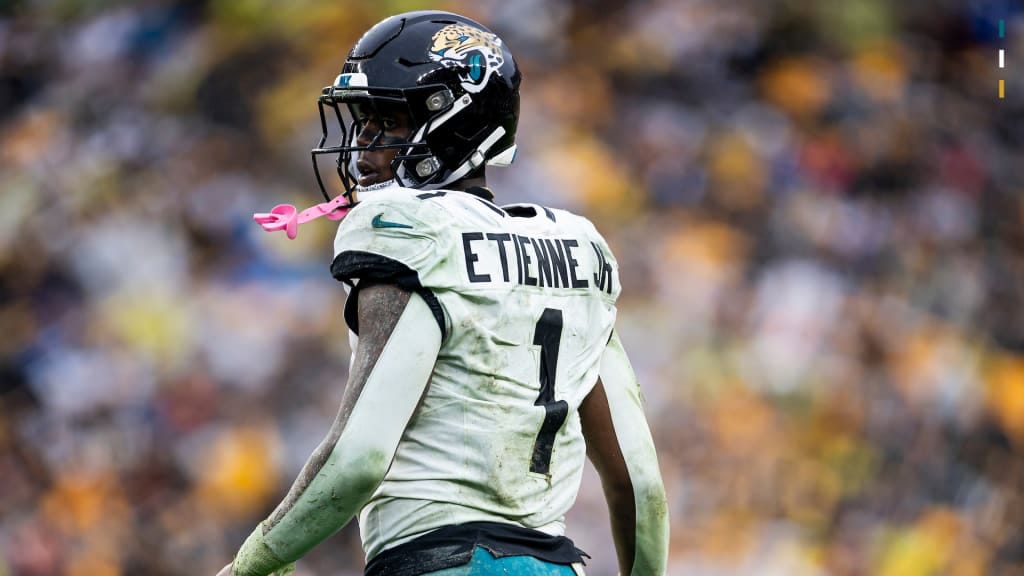
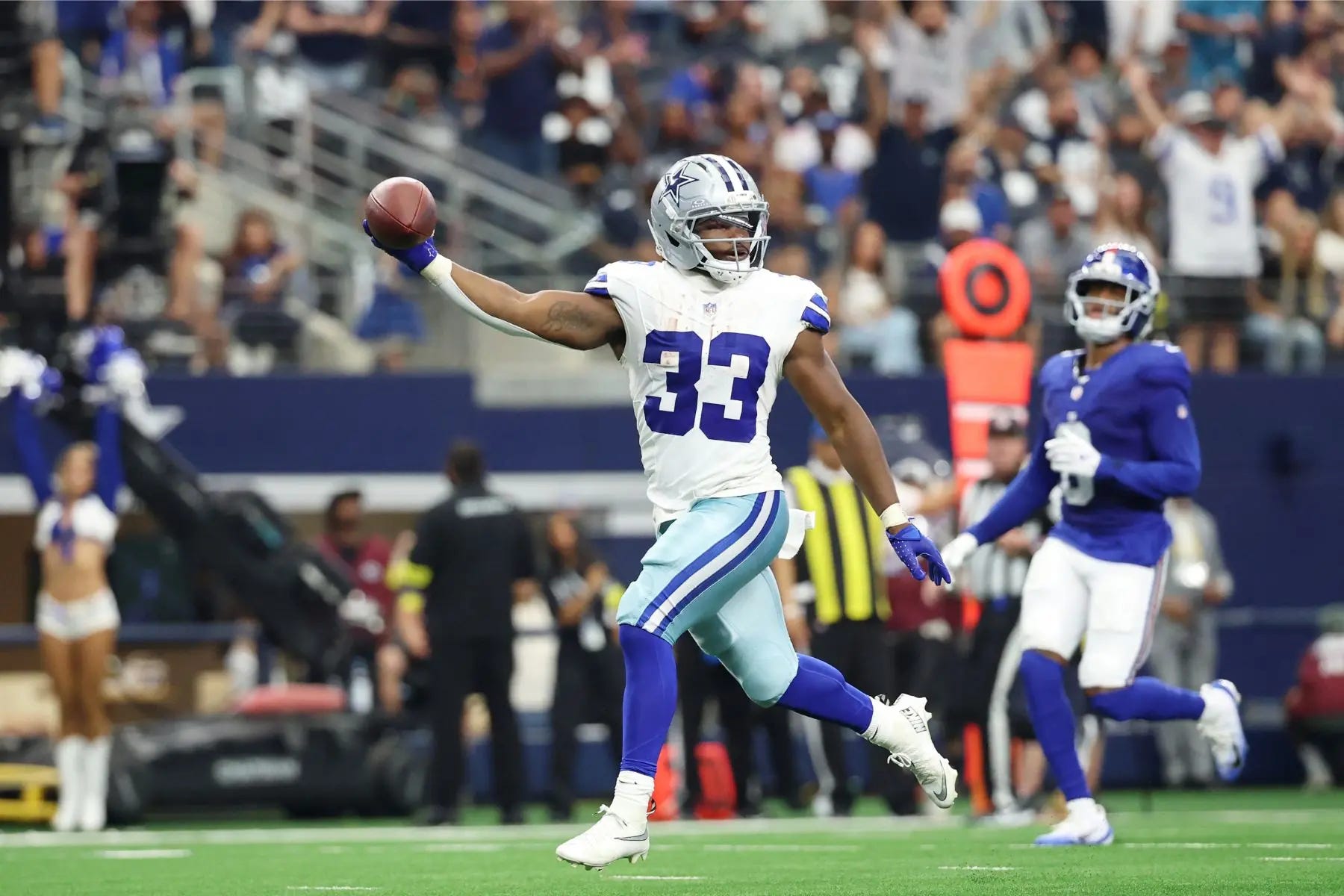
In the middle rounds, however, the chart above suggests that vets were being wildly undervalued, and this year’s results strongly confirmed that notion. I’d imagine anyone who picked up Travis Etienne or Javonte Williams was a happy camper, for example, with both posting close to top-10 seasons. Even Rhamondre Stevenson and Zach Charbonnet make me look smart: while their seasons overall were bumpy, they came through late in the fantasy playoffs, and I’d wager few owners regret picking them.
Now, this is still an imperfect science, since there are obvious exceptions to this rule. This was a particularly noisy year for mid-round RBs, too, with wild movement up and down the board just before drafts fired in late August. Players like Joe Mixon and Quinshon Judkins were in free fall, while upstarts like Bill Croskey-Merritt skyrocketed up draft boards.
Still, the two biggest success stories, Javonte Williams and Travis Etienne, feel more instructive than usual. So much of their success ties back to factors outside the players themselves, like having the inside track to the starting job, which is worth its weight in gold.
The Cowboys, too, have consistently invested in their offensive line, and their new OC had prior experience as a run-game coordinator. New Jags HC Liam Coen was also known for his clever running back designs in Tampa Bay. It’s no surprise, then, that Williams and Etienne broke out. The lesson: given the chance to draft a talented back in a great ecosystem, take it.
The WR edge is shrinking
Now, I’ve spent a lot of time on RB’s, but what of receivers, the second-most important position in fantasy? I’d argue this was one of the most difficult seasons for evaluating WR’s in recent memory, and a real rollercoaster for managers. With the exception of guys like Michael Wilson—who was, in the words of Yahoo analyst Matt Harmon, the product of a “fantasy scam” offense—the usual edge players got from finding useful receivers off the wire felt much slimmer this year.
This is slightly ironic, of course, because going into the season I thought I’d found an excellent heuristic for drafting receivers. Judging by the data above, it seems that rookies performed much better relative to their ADP (thus the higher Scoring over Expected). You can read more about my methodology for Scoring over Expected here.
It’d stand to reason that receivers taken in the first round of the NFL draft would go fairly early in redraft. Yet going into the 2025 season, these players were criminally under-drafted: you could get a top-10 real-life selection like Garrett Wilson as late as the thirteenth round.
Now, past-year ADP data can get pretty fuzzy, especially when you factor in how players on auto-pick can screw up the data. Still, I don’t think it’s a stretch to say that Brian Thomas Jr., Justin Jefferson, and Ja’marr Chase would’ve been values at any pick during their rookie years, with the latter two going outside the top 100.
Yet this year, it seemed that the crowd finally caught up, and while I wanted to try this strategy in my leagues, almost every rookie WR went right before I aimed to pick them. Granted, this was likely the product of specific guys getting massive hype, such as Matthew Golden and Emeka Egbuka, the latter of which went in the sixth round of one of my league’s drafts.
Still, the trend seems pretty clear over the last few years, with rookie WR’s continuing to skyrocket up fantasy draft boards. It isn’t even really a product of the two most recent WR classes boasting multiple first-rounders and elite talent, too. For example, multiple players from the excellent 2022 WR class were, based on ADP, nearly going undrafted, or close to it.
However unsure I am about the direction receiver drafting will go in the future, I’m pretty sure we pass the days where multiple first-round talents will fall out of the top 100 in redraft. Us numbers-savvy managers will thus have to work hard at finding new ways to outsmart the herd, because we’re certainly getting priced out of the rookie receiver market.
Summary
I started out writing this article to be a comprehensive piece, or at least part one of an article outlining everything I learned from the 2025 fantasy season. There’s still a lot more to cover, especially from a dynasty and advanced stats standpoint (watch this space for 2026 NFL Draft prospect analysis).
But ultimately, I think what I covered in this piece represents the most essential takeaways from this season. While the number of noteworthy rookie quarterbacks and tight ends entering each draft class is pretty variable (and definitely volatile), it seems that in today’s game, there will never be a shortage of noteworthy rookie running backs and wide receivers ever again.
Thus, I think it’s crucial that we know where exactly to find value when drafting these players. Take it from someone who’s built multiple rookie prediction models: it’s incredibly hard to know how any one prospect is going to perform in the NFL, let alone in their first season.
To be sure, fantasy football is definitely about picking good players, going with hunches, and using the numbers to validate guys on an individual basis. But no matter how smart you are, no matter how good your model is, it’s about opportunity cost first and foremost. And as any fantasy player worth their salt can tell you, it’s about where you draft a player more than the player themself.